When it comes to desserts that have stood the test of time, only a few can match the charm of India’s royal sweet traditions. These confections were once prepared in royal kitchens, infused with rich flavours, and adorned with ingredients that made them truly fit for kings and queens. Today, they continue to delight us during festivals, weddings, and family celebrations, bringing a taste of heritage to our homes.
Among the many treasures of Indian cuisine, some stand out for their elegance and irresistible taste—the creamy shahi tukda recipe
rabri dish, the festive Patishpata Pitha, the indulgent Shahi Tukda Recipe, and the Hyderabadi favourite, Double ka Meetha. Each carries a story, a flavour, and a celebration of India’s culinary legacy.
Rabri– Creamy Elegance in Every Bite
A true showstopper, the Rabri dish is made by slowly simmering full-fat milk until it thickens into a luscious, creamy delight. Infused with saffron, cardamom, and often sprinkled with nuts like almonds and pistachios, Rabri has long been a symbol of indulgence. Traditionally enjoyed on its own, it also pairs beautifully with Jalebi, Malpua, or Gulab jamun. The labour of love that goes into preparing Rabri makes it special, requiring patience and care as the milk reduces, creating layers of flavour. It’s a dessert that immediately transports you to festive gatherings and royal feasts, reminding you that the simplest ingredients can create the grandest results.
Patishpata Pitha – A Sweet from the East
Patishpata Pitha, a Bengali classic, is often enjoyed during harvest festivals like Poush Parbon. These delicate crepes, made from rice flour, are filled with a mixture of coconut and jaggery, and then folded or rolled into perfection. What makes them truly delightful is the balance of textures—the soft, melt-in-the-mouth outer layer paired with the slightly chewy, sweet filling. Patishpata Pitha carries a rustic charm that makes it stand tall among royal desserts. Served warm and sometimes drizzled with condensed milk, this dish is a celebration of tradition, family gatherings, and seasonal joy.
Shahi Tukda– A Mughlai Masterpiece
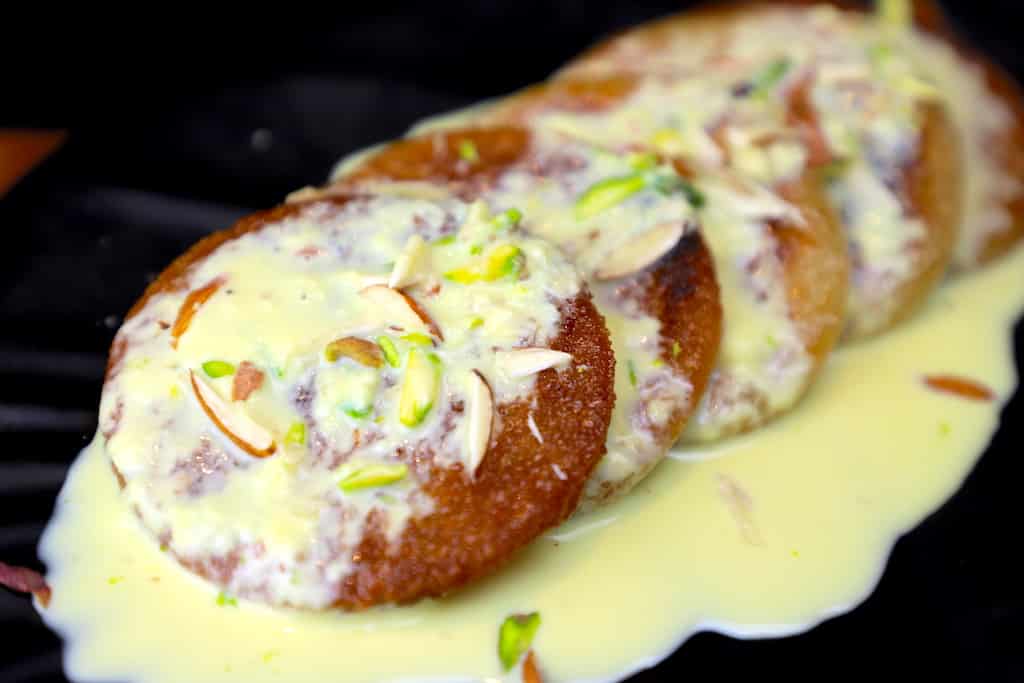
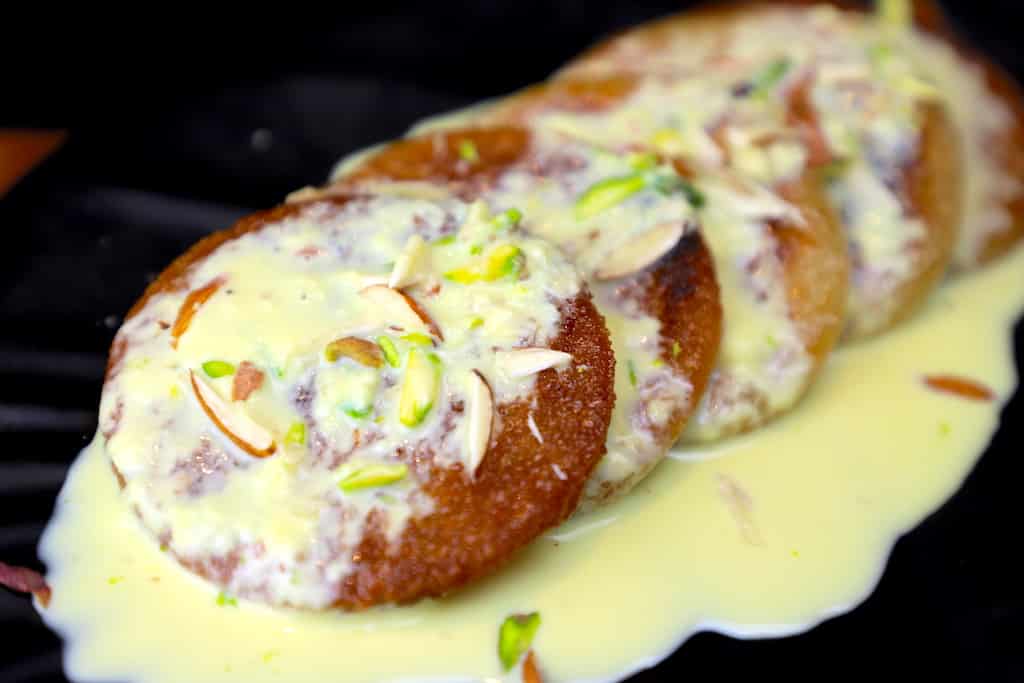
The Shahi Tukda Recipe has its origins in the Mughal courts, where rich, bread-based desserts were crafted to impress royalty. Made from fried pieces of bread soaked in saffron-infused milk and topped with Rabri, dry fruits, and silver leaf, it is a true masterpiece of flavour and texture. The crispiness of the bread contrasts beautifully with the creaminess of the Rabri, while the aromatic spices lend it an irresistible fragrance. This dessert is often prepared during Eid and other grand celebrations, symbolising generosity and indulgence. A plate of Shahi Tukda instantly elevates any festive table, offering a taste of luxury that few desserts can rival.
Double ka Meetha – Hyderabad’s Royal Sweet
A cousin of Shahi Tukda, Double ka Meetha is a popular Hyderabadi dessert made with bread, milk, and ghee. The name “double” refers to bread that puffs up to double its size, making it perfect for absorbing the sweetened milk and flavours. Unlike Shahi Tukda, which is topped with Rabri, Double ka Meetha is slightly lighter but equally rich, often flavoured with saffron, cardamom, and garnished with roasted nuts. It’s a dish that brings together simplicity and decadence, and its popularity in weddings and festive gatherings is a testament to its timeless charm. Each bite of this dessert feels like a warm hug of tradition and taste.
Conclusion
These four desserts—Rabri, Patishpata Pitha, Shahi Tukda, and Double ka Meetha—remind us of the lavishness and creativity of India’s culinary heritage. Whether it’s the slow-cooked richness of rabri, the festive simplicity of Patishpata Pitha, the Mughlai grandeur of Shahi Tukda, or the comforting sweetness of Double ka Meetha, each dessert tells its own story of culture and celebration.
By recreating these recipes at home, you’re bringing a piece of royal history to your table. So, the next time you want to treat yourself or your loved ones, try one of these classics and savour the timeless sweetness of India’s royal kitchens.