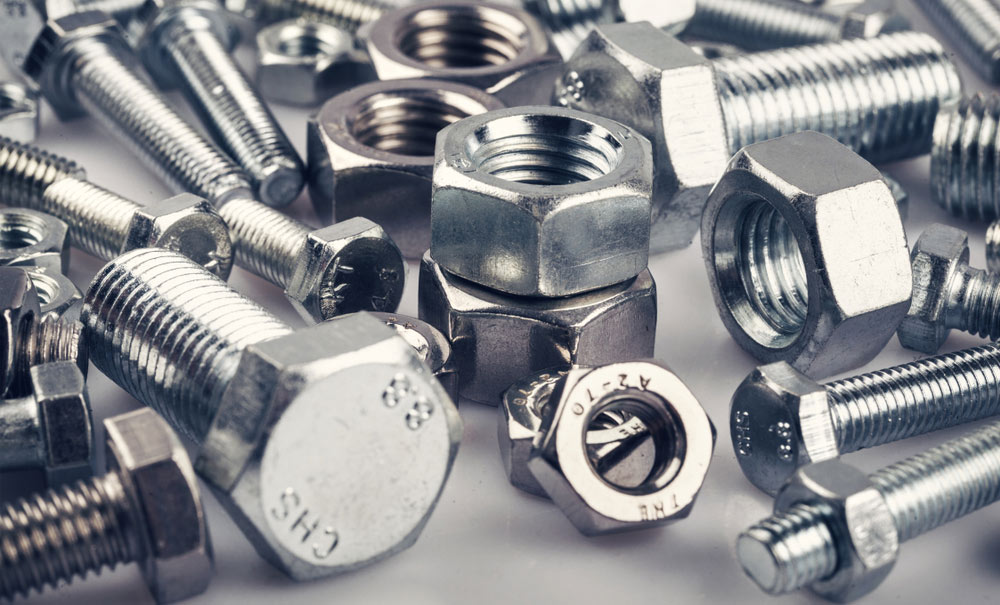
Metal is tough, no doubt. But over time, exposure to the elements, friction, and constant use can wear it down. Rust creeps in, parts weaken, and suddenly, something that should last for years is failing too soon. That’s where Nadcap plating comes in. It’s not just about making metal look good—it’s about giving it serious staying power.
Industries that rely on high-performance metal components—think aerospace, defense, medical, and heavy manufacturing—can’t afford weak spots. When equipment fails, the consequences aren’t just expensive; they can be dangerous. That’s why Nadcap plating is the gold standard for making sure metal holds up under pressure.
What Makes Nadcap Plating Different?
You’ve probably heard of standard metal coatings, but Nadcap plating isn’t just any finish. It’s a process that meets the strictest industry standards for quality and performance. Nadcap stands for the National Aerospace and Defense Contractors Accreditation Program, meaning any plating that carries this certification has gone through rigorous testing and approval.
What does that mean for you? It means better protection, longer-lasting parts, and coatings you can trust.
How Nadcap Plating Improves Durability
If you’re working with metal components that take a beating, you need durability. Nadcap plating reinforces metal in a way that helps it withstand extreme conditions. Here’s how:
- Stronger Surface Layer – The plating process adds a hardened coating that resists scratches, friction, and impact.
- Uniform Coverage – No weak spots or uneven coatings. The entire surface gets equal protection, reducing the chance of failure.
- Prevention of Stress Cracks – Some metals naturally develop tiny fractures over time, but a high-quality plating process minimizes that risk.
- Better Adhesion – The coating stays put. No flaking, peeling, or uneven wear—just reliable, long-term protection.
Corrosion Resistance: Keeping Metal in Top Shape
If there’s one thing that can destroy metal faster than anything else, it’s corrosion. Moisture, chemicals, and environmental exposure slowly break down unprotected metal. That’s why corrosion resistance is one of the biggest benefits of Nadcap plating.
Why does this matter? Because corrosion isn’t just ugly—it weakens the entire structure. In industries like aerospace, oil and gas, and defense, corrosion can cause serious safety risks. A Nadcap-certified plating process ensures that metal can withstand the elements without degrading.
Types of Nadcap Plating (And What They’re Used For)
Different industries have different needs, so Nadcap plating isn’t a one-size-fits-all approach. There are several types of coatings, each with its benefits:
- Electroless Nickel Plating – Provides a smooth, even coating with excellent corrosion resistance. Ideal for aerospace and industrial applications.
- Hard Chrome Plating – Incredibly tough and wear-resistant, making it perfect for hydraulic cylinders, aircraft parts, and high-friction surfaces.
- Cadmium Plating – A go-to for aerospace and military applications due to its superior resistance to corrosion and lubricity.
- Anodizing – Mostly used for aluminum, this process enhances durability and adds an extra layer of corrosion protection.
Each of these processes must meet strict Nadcap quality standards, ensuring the plating performs exactly as expected.
Industries That Depend on Nadcap Plating
Some industries simply can’t take chances with metal quality. If a component fails, it can mean huge financial losses—or worse, safety hazards. That’s why Nadcap plating is essential in fields like:
- Aerospace & Aviation – Aircraft parts face extreme stress, temperature changes, and moisture exposure. Nadcap plating keeps them strong and reliable.
- Defense & Military – Military equipment needs to function in the harshest environments. Nadcap-certified coatings help prevent rust, wear, and material failure.
- Medical Devices – From surgical tools to implants, medical-grade plating ensures durability and biocompatibility.
- Automotive & Heavy Machinery – Gears, pistons, and engine components last longer with high-quality metal plating.
- Oil & Gas – Equipment exposed to salt, chemicals, and extreme weather benefits from corrosion-resistant plating.
Choosing a Nadcap-Certified Plating Provider
Not every plating company meets Nadcap standards. If you’re looking for long-term performance, certification matters. When choosing a provider, ask:
Do they have Nadcap accreditation? Without it, there’s no guarantee the plating meets top industry standards.
What experience do they have in your industry? Different applications require different techniques. Make sure they know what they’re doing.
Can they provide documentation? Any reputable Nadcap-certified provider should be able to prove compliance with industry regulations.
Why Nadcap Plating is Worth the Investment
At first glance, Nadcap plating might seem like an extra expense. But when you look at the long-term benefits—stronger parts, better corrosion resistance, and reduced maintenance—it’s clear why industries insist on it.
Imagine a scenario where a metal component doesn’t have this level of protection. Rust sets in. Cracks form. The part weakens, fails, and needs to be replaced. That downtime costs money. But with Nadcap plating, metal lasts longer, performs better, and gives you peace of mind knowing you’re working with the best possible materials.
The Bottom Line
If you need metal components that can handle tough conditions without wearing down, Nadcap plating is the way to go. It delivers unmatched durability, superior corrosion resistance, and long-term performance. That’s why industries that can’t afford failures—from aerospace to defense to manufacturing—trust it as the gold standard for metal finishing. When reliability matters, Nadcap plating gets the job done.